|
Wilderlab Newsletter͏ ͏ ͏ ͏ ͏ ͏ ͏ ͏ ͏ ͏ ͏ ͏ ͏ ͏ ͏ ͏ ͏ ͏ ͏ ͏ ͏ ͏ ͏ ͏ ͏ ͏ ͏ ͏ ͏ ͏ ͏ ͏ ͏ ͏ ͏ ͏ ͏ ͏ ͏ ͏ ͏ ͏ ͏ ͏ ͏ ͏ ͏ ͏ ͏ ͏ ͏ ͏ ͏ ͏ ͏ ͏ ͏ ͏ ͏ ͏ ͏ ͏ ͏ ͏ ͏ ͏ ͏ ͏ ͏ ͏ ͏ ͏ ͏ ͏ ͏ ͏ ͏ ͏ ͏ ͏ ͏ ͏ ͏ ͏ ͏ ͏ ͏ ͏ ͏ ͏ ͏ ͏ ͏ ͏ ͏ ͏ ͏ ͏ ͏ ͏ ͏ ͏ ͏ ͏ ͏ ͏ ͏ ͏ ͏ ͏ ͏ ͏ ͏ ͏ ͏ ͏ ͏ ͏ ͏ ͏ ͏ ͏ ͏ ͏ ͏ ͏ ͏ ͏ ͏ ͏ ͏ ͏ ͏ ͏ ͏ ͏ ͏ ͏ ͏ ͏ ͏ ͏ ͏ ͏ ͏ ͏ ͏ ͏ ͏ ͏ ͏ ͏ ͏ ͏ ͏ ͏ ͏ ͏ ͏ ͏ ͏ ͏ ͏ ͏ ͏ ͏ ͏ ͏ ͏ ͏ ͏ ͏ ͏ ͏ ͏ ͏ ͏ ͏ ͏ ͏ ͏ ͏ ͏ ͏ ͏ ͏ ͏ ͏ ͏ ͏ ͏ ͏ ͏ ͏ ͏ ͏ ͏ ͏ ͏ ͏ ͏ ͏ ͏ ͏ ͏ ͏ ͏ ͏ ͏ ͏ ͏ ͏ ͏ ͏ ͏ ͏ ͏ ͏ ͏ ͏ ͏ ͏ ͏ ͏ ͏ ͏ ͏ ͏ ͏ ͏ ͏ ͏ ͏ ͏ ͏ ͏ ͏ ͏ ͏ ͏ ͏ ͏ ͏ ͏ ͏ ͏ ͏ ͏ ͏ ͏ ͏ ͏ ͏ ͏ ͏
|
Kia ora koutou, It has been a massive summer for the Wilderlab team, and we thought we’d take a minute to share some updates and tid-bits to let you know a bit about what we’ve been getting up to…
|
|
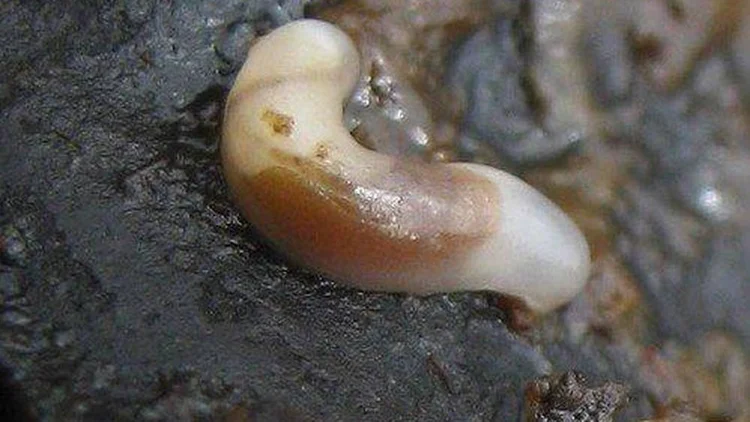
Rare ‘smeagol’ slug found with eDNA As a part of the Department of Conservation marine monitoring work, recent eDNA sampling on a remote beach on the West Coast picked up and identified ~500 unique species, and perhaps most excitingly, a surprising new detection of the Smeagol ‘gravel maggot’! These funny looking slugs are very cryptic, and aren’t easy to just stumble across. By using our panel of both broad and specific metabarcoding primers, the team’s sampling effort was able to screen for a much broader range of organisms than would be feasible with just visual surveys, leading to the discovery of a new population of this rare slug. Smeagol slugs has only been found in two locations in Aotearoa New Zealand, with genetically distinct populations in Wellington and Kaikoura. The team hopes to return to the West Coast to do a more in-depth search for the elusive slugs, hoping to uncover if this new population is a new species distinctly separate from it’s known counterparts. They also hope to shed a better light on these slug’s role in marine ecosystems. Check out some of the stories linked below if you’d like to read more:
|
|
Photo / Wildwind, iNaturalist
|
|
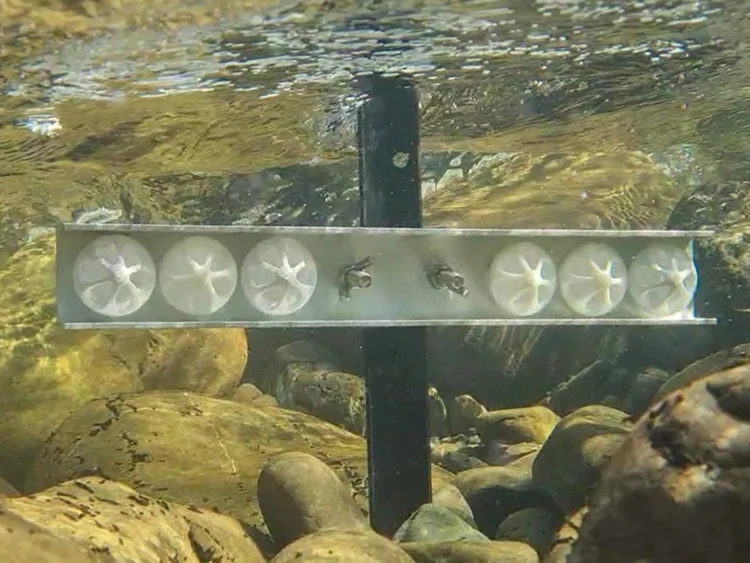
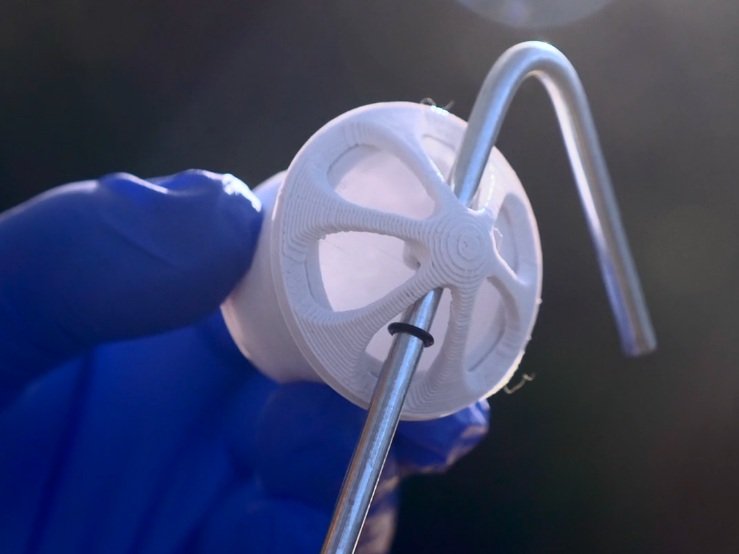
Passive sampler trial update As you may have seen, our new passive samplers kits are now permanent additions to our water testing toolbox. They have been the focus of a large scale validation trial this past summer, with collaboration for regional councils, the Department of Conservation, and even some environmental consultancies. We are almost at the stage to provide best-practice advice on how, when and where to use them! So far, we have received back samples from 50 individual sampling sites from around the country each with 6 syringe filter samples and 6 passive sampler filters - all up a whopping 600 samples in total! Most of the samples have been processed already, and the remaining sites will be analysed very soon. Once the data is available for all of the sites, we will be taking a deep dive into the differences between the syringe and passive samplers, to answer important questions such as: What is the optimal replication number to get the most robust results for macroinvertebrates, fish, and broader ecosystem characterisations? What are the differences in detection rates for important plants and animals? What is the effective detection distance difference between the samplers? How closely does the passive sampler molecular MCI predict the standard MCI? How do the TICI scores compare between these two different methods?
As you may remember from last year’s syringe high-replication trial, councils collectively decided that 6 replicate samples are the optimal number for our syringe kits to characterise local aquatic communities, as it leads to a species detection rate of over 90%. Although we can’t make any statements about optimal replication of our passive samplers just yet, preliminary results indicate that the passive samplers work better than the syringe kits when deployed in high flow, turbid waters. To us, this hints that passive samplers might be the better option for winter sampling, when wetter weather and higher flows often makes syringe sampling more difficult. We have also seen much higher detections over land-based plants and animals, making it likely the ideal tool for detecting things which sporadically interact with waterways!
|
|
We’ve also just completed filming new directional videos for both our Manifold Mount and Peg Mount passive samplers, and they can now be viewed on our website.
|
|
A new addition to the comprehensive assay package Aotearora’s native freshwater mussels, kākahi, are important parts of freshwater ecosystems and, being filter feeders, are indicators of good water quality. They are also very culturally valuable mahinga kai species, important in stories and proverbs. Despite being found widespread throughout New Zealand, these species face threats from multiple types of pollution and their numbers are in decline. Being able to establish where kākahi populations are is crucial to their ongoing conservation, hence we are very excited to announce our newly established metabarcoding assay and recent addition to our comprehensive assay panel. The kākahi assay has been specifically optimised for detecting the genus Echyridella. It focuses on a highly specific COI (or ‘cytochrome oxidase subunit 1’) region of the genome, enabling it to confidently tell apart all three species; Echyridella menziesii, Echyridella aucklandica, and Echyridella onekaka. To mark the incorporation of this new assay into our comprehensive freshwater analysis package, we’re offering a special promotion for any samples which have been processed within the last 12 months to be reanalysed on our new kākahi assay for just $30 (+GST) per sample.
|

|
The development of this assay highlights one of the most practical sides of eDNA: we don’t have to return to the field to be able to detect new species if the site has already been sampled!! If you have samples in mind or any questions at all, get in touch with our team at info@wilderlab.co.nz. |
|
|
|
Promotions running through the Month of June
|
|
We have launched three promotions which will be available until the end of this month - check out the details below and feel free to give us a buzz to inquire further!
|
|
Updates on our Taxon-Independent Community Index We have been hard at work optimising our new riverine ecological health index, the taxon taxon-independent community index (TICI), and it is now available for any river/stream sample processed with our comprehensive assay panel. If you haven’t heard about this index before, it is similar to the New Zealand’s macroinvertebrate community index (MCI), except the tolerance values have been assigned to eDNA sequences rather than invertebrate taxa. This allows for a more holistic consideration of living things from across the tree of life, and means that we can use much more of the eDNA data to calculate the index, not just the sequences that can be identified to genus or species level. By looking at a large eDNA dataset, we’ve been able to identify patterns in where some eDNA sequences show up along a gradient from pristine native bush all the way to more altered lowland sites in cities and farms. 3000 of the most common indicator sequences were identified and chosen to inform the TICI, coming from plants, fish, algae, crustaceans, birds, invertebrates, microeukaryotes, bacteria and fungi. Of those 3000 sequences, just over a quarter were able to be identified in reference databases (to genus or species level) and have been used as a sort of ‘sanity check’ to make sure things which we would expect to be on either end of the gradient are showing up where they’re meant to! Because the TICI includes information from small organisms which are at the bottom of the food chain and have very quick lifecycles, the TICI scores should be able to show small changes in the ecosystem before they could be noticed by other methods. This means that small improvements from restoration or small declines from disruption can be easier ‘seen’ and tracked through time.
|
|
The TICI can help us to get a clearer picture of the health of the ecosystem and can help drive more effective and timely management responses to better protect our waterways. We will be including more information and resources on the TICI over the next month or so - keep your eyes peeled!
|
|
More opportunities to get involved… The Environmental Protection Authority’s community science programme, Wai Tuwhera o te Taiao, is in full swing and there are still opportunities for your community to be involved!! Through the programme, the EPA offer eDNA testing kits and resources as a tool to support connections between people and the environment, and between science and mātauranga Māori. This year, there’s lots of ways to get involved, including opportunities for single exploration sampling, larger projects and match-funding, and interesting eDNA focused webinars hosted every month. You can read more and get involved via their website: https://www.epa.govt.nz/community-involvement/open-waters-aotearoa/get-involved/
|
|
Thanks for staying tuned for our updates, and we’re looking forward to sharing more with you all very soon. Hei konā mai, The Wilderlab Team |
|

|
|
|
|
|
|